 Sat 16 Jan, 11:30am
Supersonic
Inside Concorde
Engineering · Physics
Manchester Airport
£50 teen place


 Coming soon
Foraging
Biology · History
 Coming soon
Take a picture of a galaxy
Astronomy · Physics
Educational experiences for teenagers, led by specialists.
 Led by astrophysicist Dr Emma Chapman and Andy Gray, at Sherwood Observatory
Astronomy experience·Sutton-in-Ashfield, Nottinghamshire
Sun 24 Jan, 7:00pm · About 2 hours · Ages 10 to 18
People who know it first-hand
Every session is run by someone glad to let teenagers into their world.
School subjects come alive
Each experience connects to subjects they study at school, like physics or biology, so they see how things work in real life.
Built around teenagers
Every session is designed for ages 10 to 18. They take part and ask their own questions.
You come too
A parent, or another adult you choose, comes along at a reduced price. One adult can bring more than one teenager.
Sat 16 Jan, 11:30amInside Concorde
Walk through the plane that flew passengers across the Atlantic at twice the speed of sound.
Engineering · Physics
Manchester Airport
£50 teen place
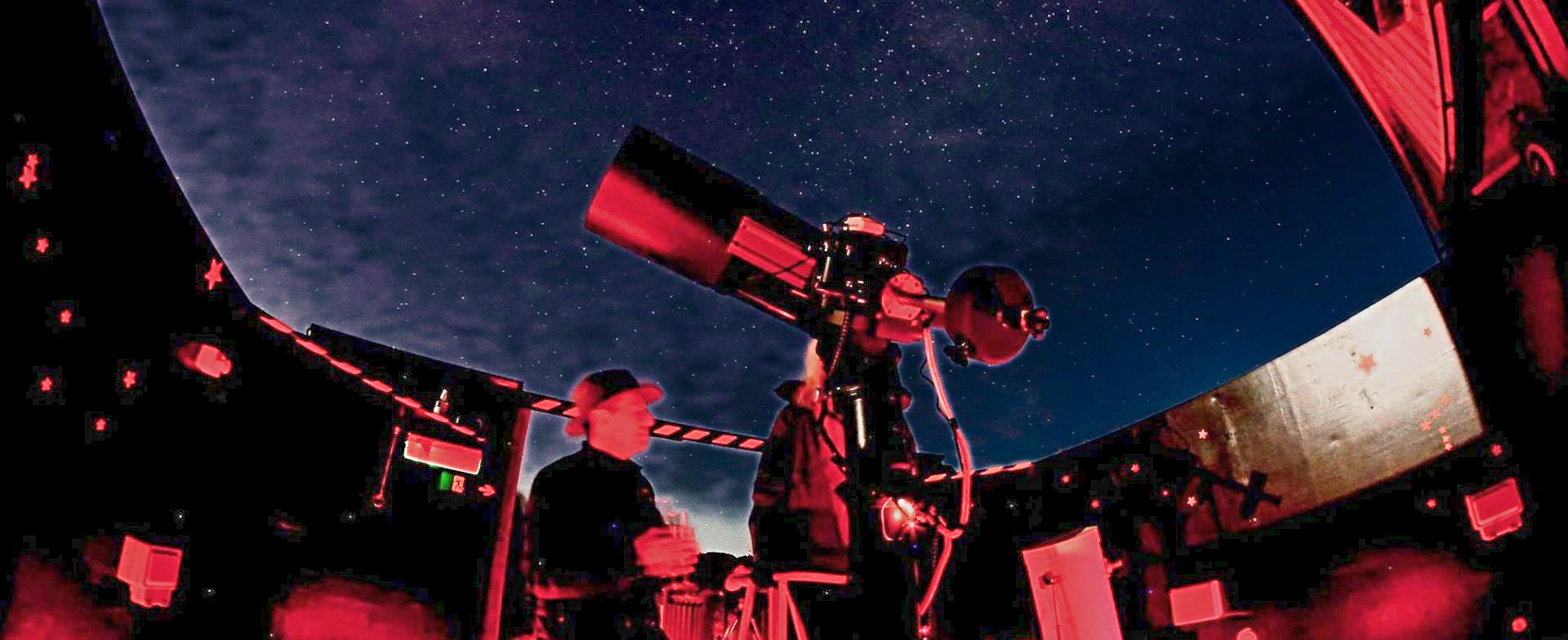 Sat 9 Jan, 5:30pm
Inside a dark-sky observatory
A star is too far away to touch. Its light still carries clues.
Astronomy · Physics · Geography
Wark on Tyne, Northumberland
£40 teen place
 Wed 17 Feb, 10:00am
Inside a crime scene investigation
A crime has been committed. You have three hours to solve it.
Forensic science · Biology · Chemistry · Physics
Shelley, near Huddersfield
£70 teen place
Coming soonForaging
The British wood is stranger than it looks. Spend two hours in it with an expert forager, and bring home something you found yourself.
Biology · History
Coming soonTake a picture of a galaxy
Walk out with a photograph of a galaxy, taken by you.
Astronomy · Physics
 Coming soon
Surviving without anything
Your phone is dead. The light is going. What do you do first?
See detailsNew experiences and new dates as they open.
A hands-on astronomy evening for teenagers at Sherwood Observatory in Nottinghamshire.
If a message came from another world, could you read it?
At Sherwood Observatory, teenagers spend an evening on one of the biggest open questions in science: is there life anywhere else? With astrophysicist Dr Emma Chapman and Andy Gray, they hold real meteorites, crack a coded alien message and explore the night sky in the planetarium, with their parent alongside them. All of this runs whatever the weather.
Hold real meteorites. Examine rocks that fell to Earth from space, from Emma's own collection, and find out what they can tell us about where they came from.
Crack an alien signal. Decode a made-up message from another world, written in on-off code that draws a picture. Then write your own and swap it with another group.
Ask what life needs. Meet the extremophiles that live on Earth where nothing should survive, and find out how astronomers search for life on other planets and listen for signals.
Sit under the planetarium dome for Out There: The Quest for Extrasolar Worlds, a show about the planets astronomers have found around other stars.
Then whatever the sky allows: telescopes on a clear night; light painting and listening for meteors when it is cloudy; sorting real galaxy photographs when it rains.
Sherwood Observatory has a planetarium, a large telescope under its dome, an observing pad and its own Radio Astronomy Centre, all on one site. It is run by the Mansfield and Sutton Astronomical Society, a charity that has opened the sky to the public for over 50 years. The evening runs whatever the weather; a clear sky is the bonus.
Asking what life needs brings biology into astronomy: extremophiles, habitable planets and the signs of life astronomers look for. Codes, signals and radio waves bring in physics and maths.
For a teenager wondering where these interests lead, it is a first look at astrobiology and the people who work on it.
What this is really
Nobody knows yet if we are alone in the universe. Scientists are trying to find out.
Meteorites, signals and telescopes: the same clues they use in the search for life beyond Earth.
Sherwood Observatory
Venue: Sherwood Observatory, Coxmoor Road, Sutton-in-Ashfield, Nottinghamshire
Emma Chapman and Andy Gray lead the evening. Sherwood Observatory hosts it, with its planetarium, telescopes, Radio Astronomy Centre and volunteers from the Mansfield and Sutton Astronomical Society.
Why this is on Foxchaser: An astronomer with a hands-on programme built for teenagers, at an observatory with a planetarium, telescopes and its own radio astronomy centre.
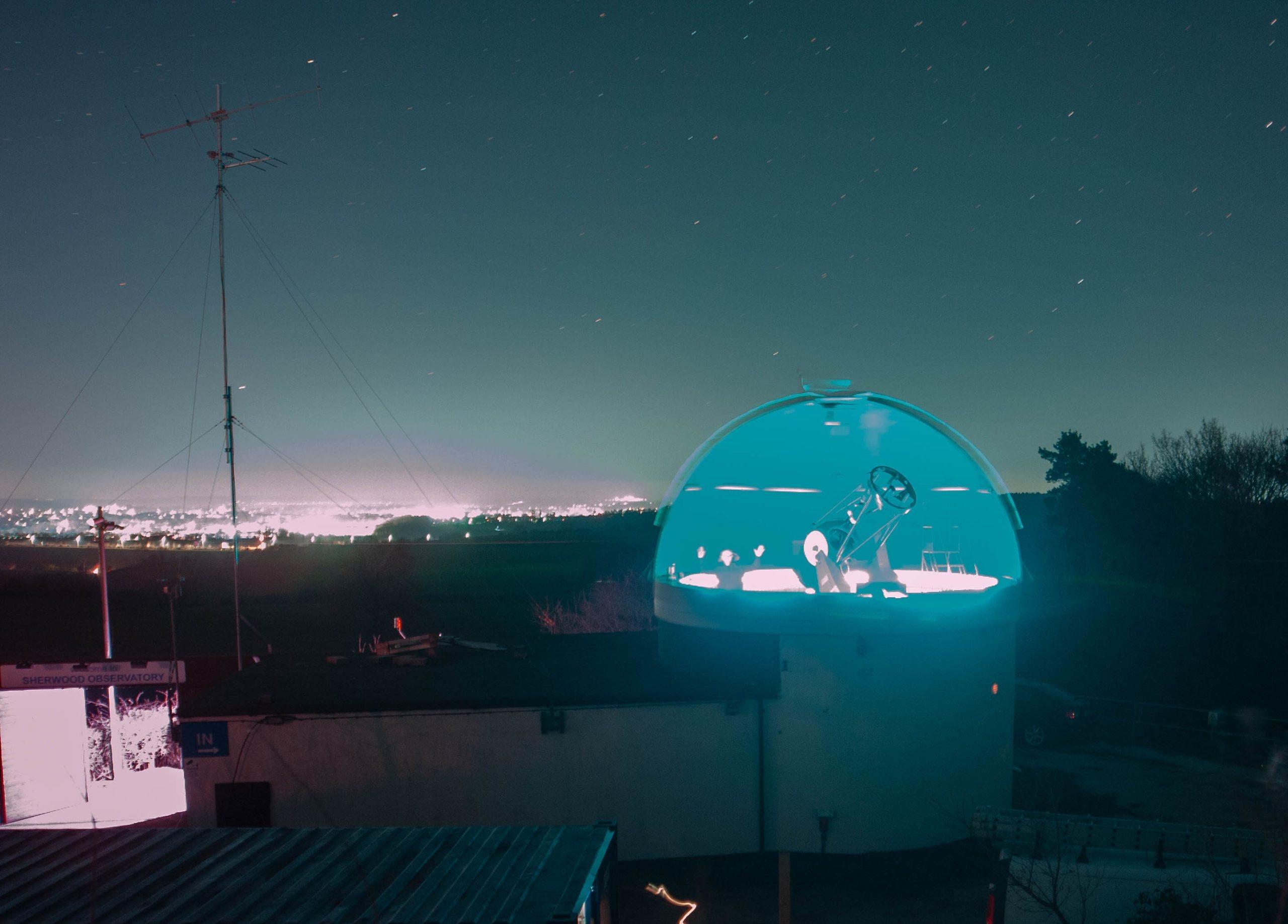
Photographs: Sherwood Observatory. The Eagle Nebula was photographed by Gary Levers, Sherwood Observatory. The light painting and the Veil Nebula, taken with a smart telescope, are by Andy Gray. They show the observatory and the sky, not a previous Foxchaser session, and are not a guide to the view on the night.
The people leading the evening.
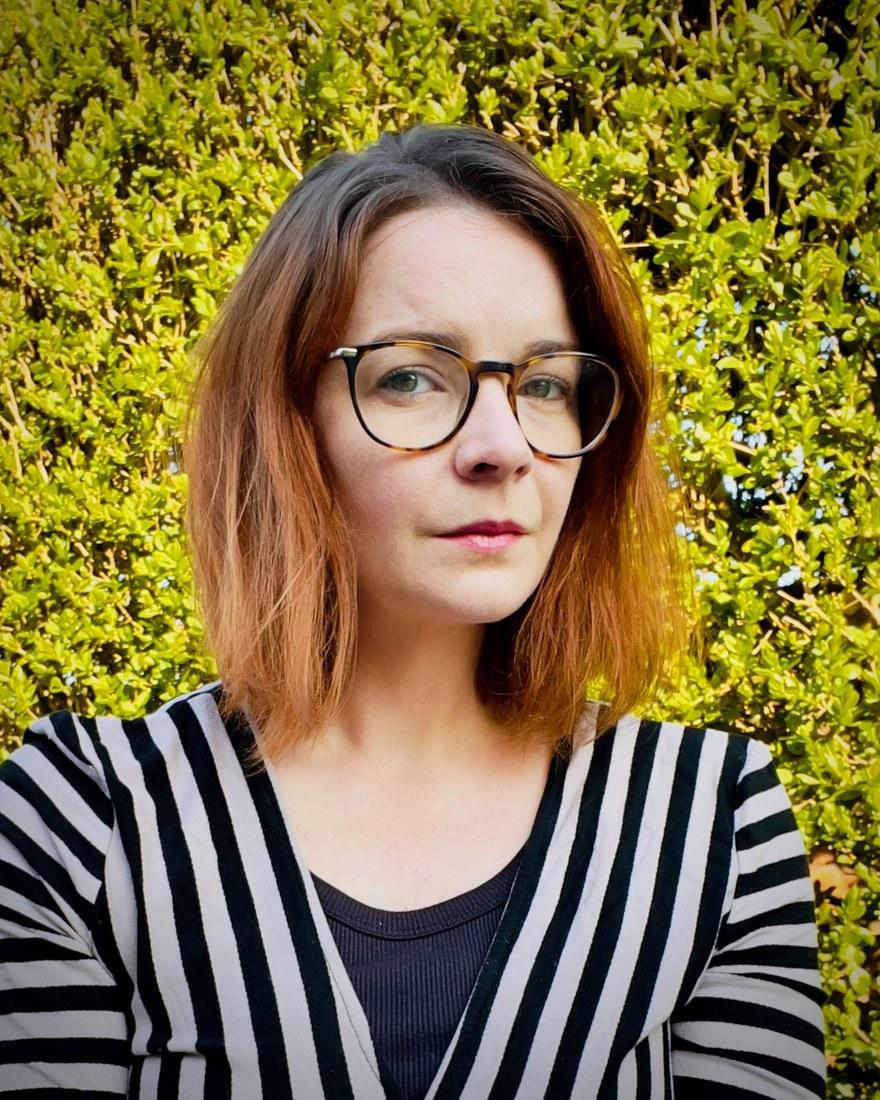
Astrophysicist
University of Nottingham
Astrophysicist and author of Radio Universe, University of Nottingham
Dr Emma Chapman is an astrophysicist, author, and passionate guide to the night sky based at the University of Nottingham. She researches how the very first stars lit up our Universe, work that has taken her to some of the world’s largest radio telescopes.
Emma’s popular science books First Light and Radio Universe (BBC Radio 4 Book of the Week) share this cosmic story with readers worldwide, and she is a regular voice in the media bringing astronomy to life. She designed this evening's hands-on programme.
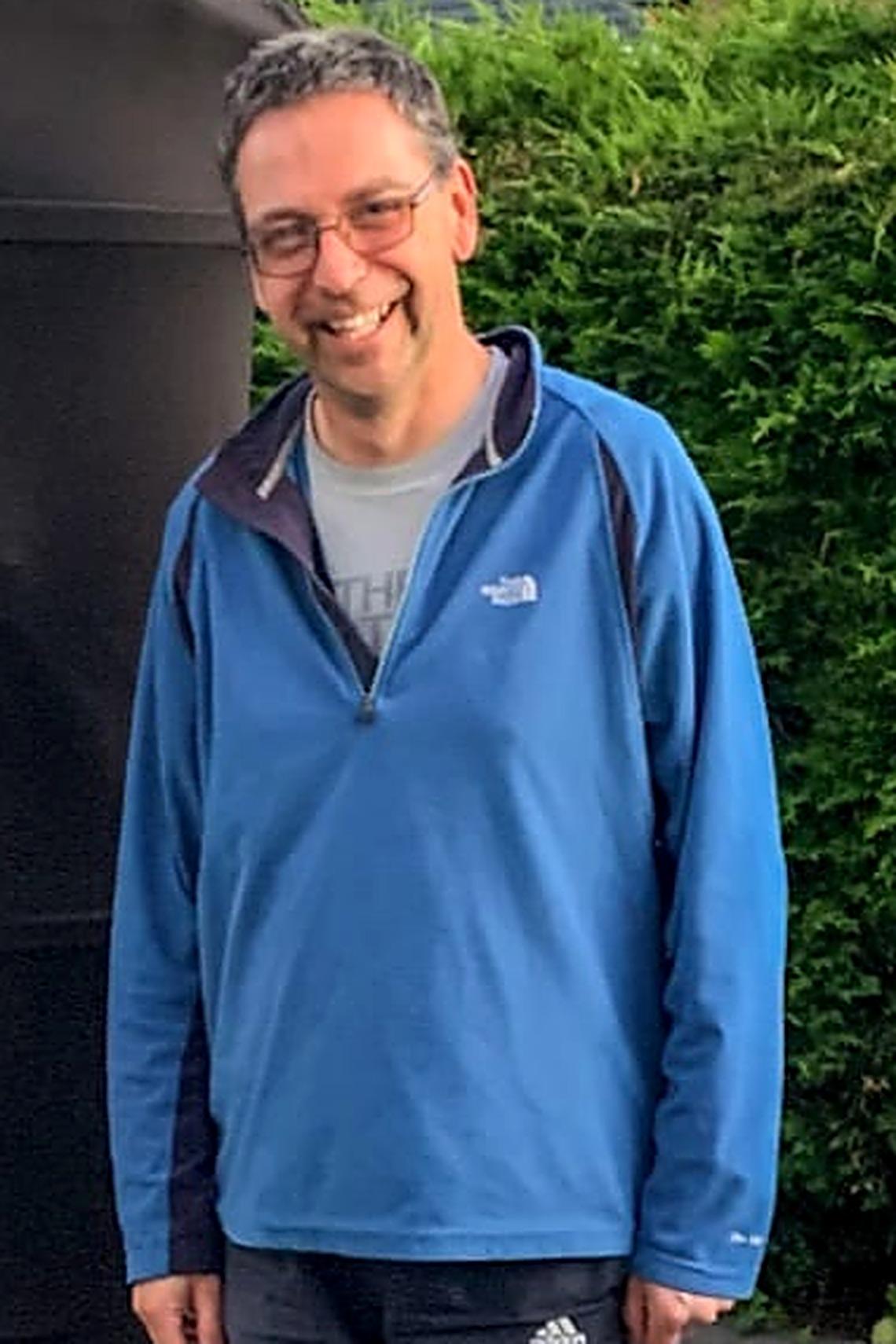
Astronomer and science educator
AKG Science Support
Astronomer, astrophotographer and science educator, AKG Science Support
Andy is a chemist who, after working in research, found his true passion in teaching. He spent over 25 years teaching students in the North East of England and has retired from teaching new teachers at Newcastle University. Alongside his teaching career, he has been an avid astronomer and astrophotographer for over two decades.
For the past seven years, Andy has organised and hosted stargazing events at the Lord Crewe Arms, in the dark skies of Blanchland in the North Pennines, and he has hosted stargazing sessions at Twice Brewed Planetarium. He is also an experienced cruise astronomer with Go Stargazing. At Sherwood he brings his smart telescopes and leads the light painting.
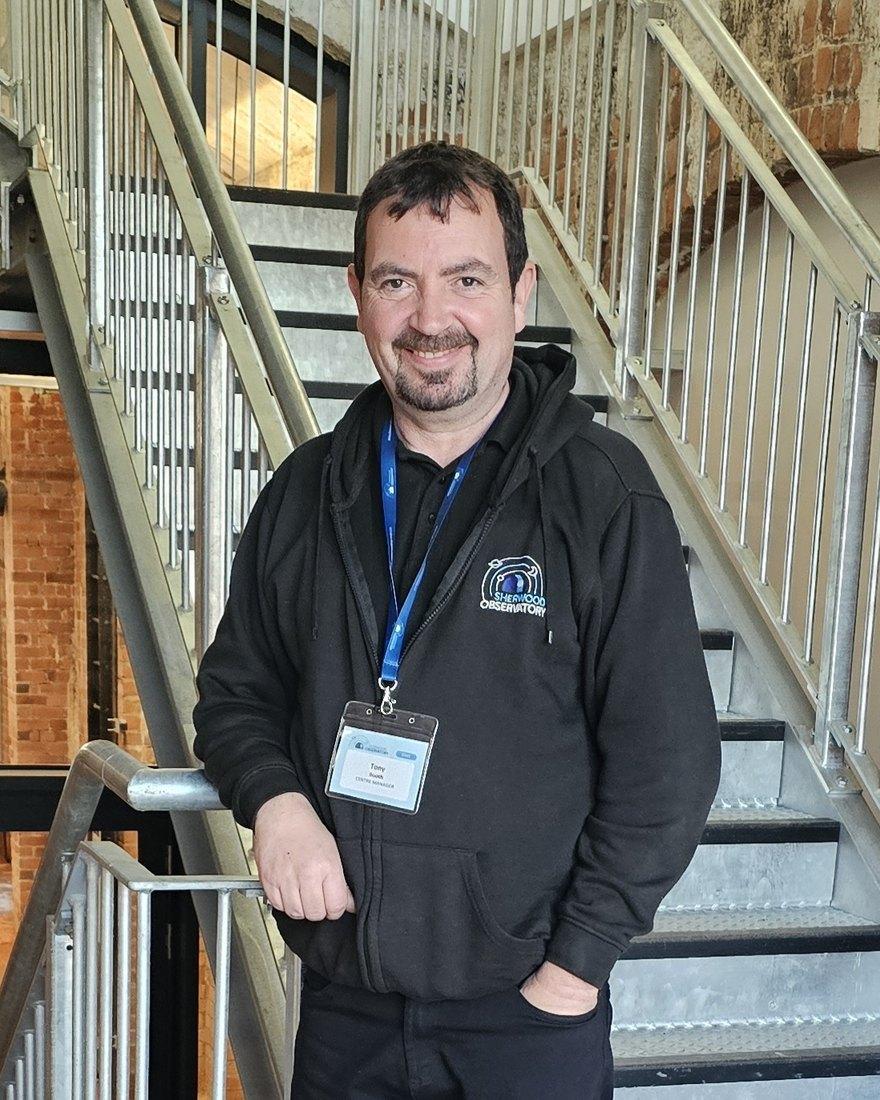
Centre Manager
Sherwood Observatory
Centre Manager, Sherwood Observatory
Tony manages the Sherwood Observatory Planetarium and Science Centre, which opened in November 2024 in a restored Victorian reservoir beside the observatory. In its first year it welcomed over 36,000 visitors, nearly twice the number planned.
He works alongside around 90 volunteers from the Mansfield and Sutton Astronomical Society, who run the telescopes, the planetarium shows and the Radio Astronomy Centre.
The evening runs. Meteorites, the alien signal and the planetarium happen whatever the weather, and a cloudy night adds light painting and the Radio Astronomy Centre.
No. It is a made-up message, built the way astronomers think a real one might be. Decoding it shows how a signal from another world could carry a picture.
Telescope observing depends on the sky on the night. No particular planet or view is guaranteed.
Yes. A parent, or another adult you choose, stays throughout and supervises their teenager. One adult may accompany more than one teenager.
Biology (what life needs), physics (light, radio waves and signals) and maths (code).
